

How Do Black Locust Wood Pavers Age? The Complete Guide to Longevity, Weathering, and Timeless Beauty
One of the first questions architects, landscape designers, developers, and homeowners ask when considering wood paving is simple: “How will it age?”
It is a reasonable concern. Most people are familiar with concrete, stone, brick, and asphalt surfaces. They understand how these materials look when new and how they change over time. Wood, however, often raises questions because many people associate outdoor wood with frequent maintenance, rot, decay, and eventual replacement.
Black Locust wood pavers tell a completely different story.
Renowned as one of the most durable hardwood species available for exterior applications, Black Locust has earned a reputation for exceptional longevity, natural rot resistance, and remarkable structural stability. Unlike many other wood products, Black Locust can thrive outdoors for decades without chemical treatment, making it one of the most sustainable and environmentally responsible paving materials available today.
Perhaps most importantly, Black Locust ages beautifully. Rather than deteriorating, it undergoes a natural weathering process that transforms its appearance while preserving the qualities that make it such a valuable paving material.
The Natural Character of Black Locust
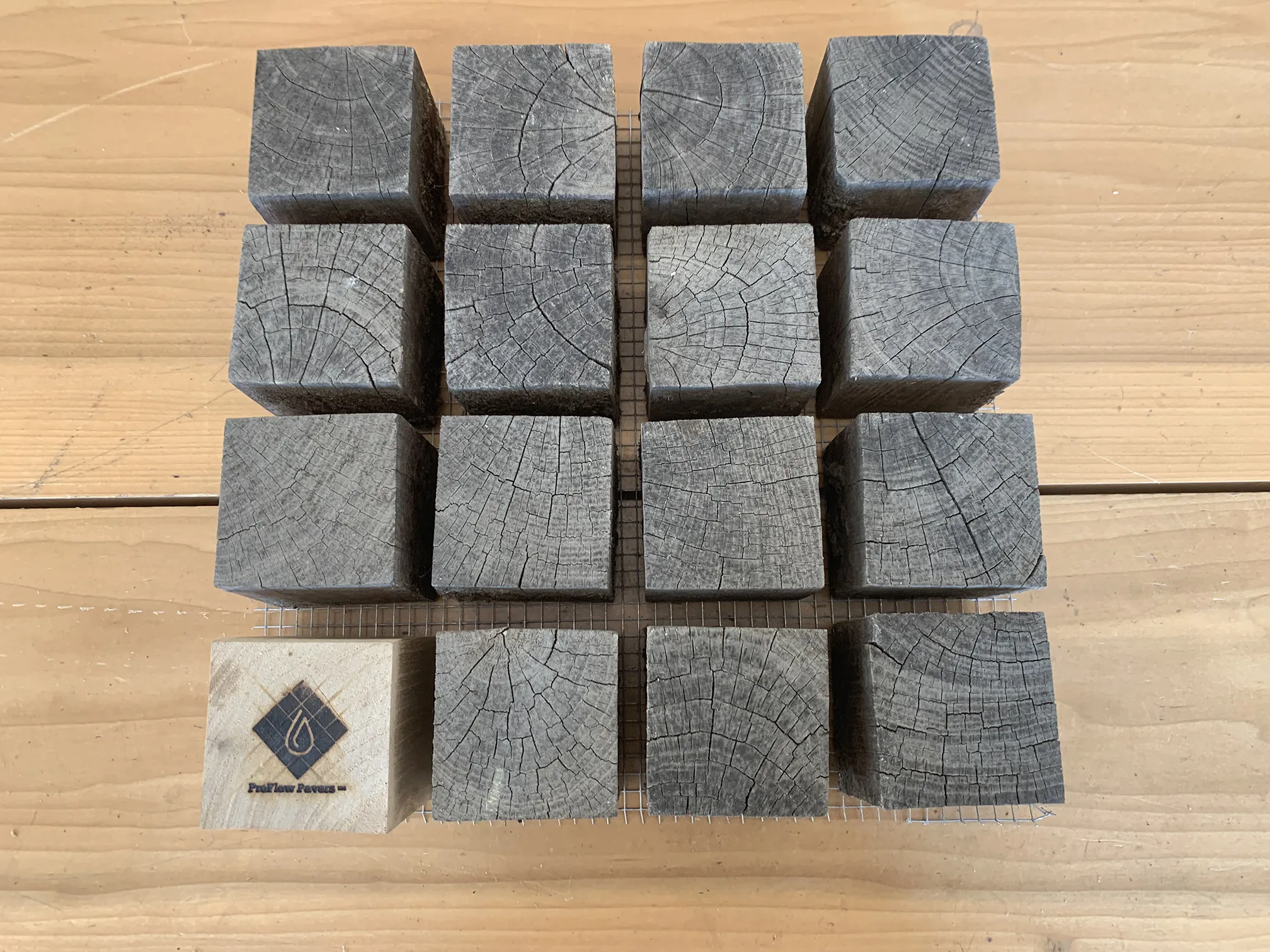
Black Locust is not an engineered material designed to imitate nature. It is nature itself. Every paver contains unique grain patterns, color variations, growth rings, and textures that tell the story of the tree from which it originated.
When newly installed, Black Locust wood pavers typically display warm golden hues ranging from honey-colored yellows to rich greenish-brown tones. This fresh appearance often becomes one of the defining features of a project. The warmth of natural wood immediately creates an inviting atmosphere that softens hard landscapes.
The First Year: Initial Weathering
The most noticeable changes occur during the first year of exposure. As sunlight interacts with the wood surface, ultraviolet radiation begins affecting the natural pigments within the timber.
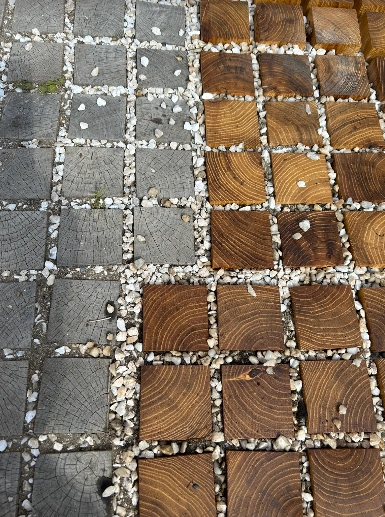
During this initial period, the rich golden tones gradually begin transitioning toward a softer and more muted appearance. Depending on climate, sunlight exposure, and weather conditions, the transformation may occur slowly or relatively quickly. Many people mistakenly interpret this color change as deterioration. In reality, it is simply weathering. The wood itself remains structurally sound.
The Silver Patina: Nature’s Signature Finish
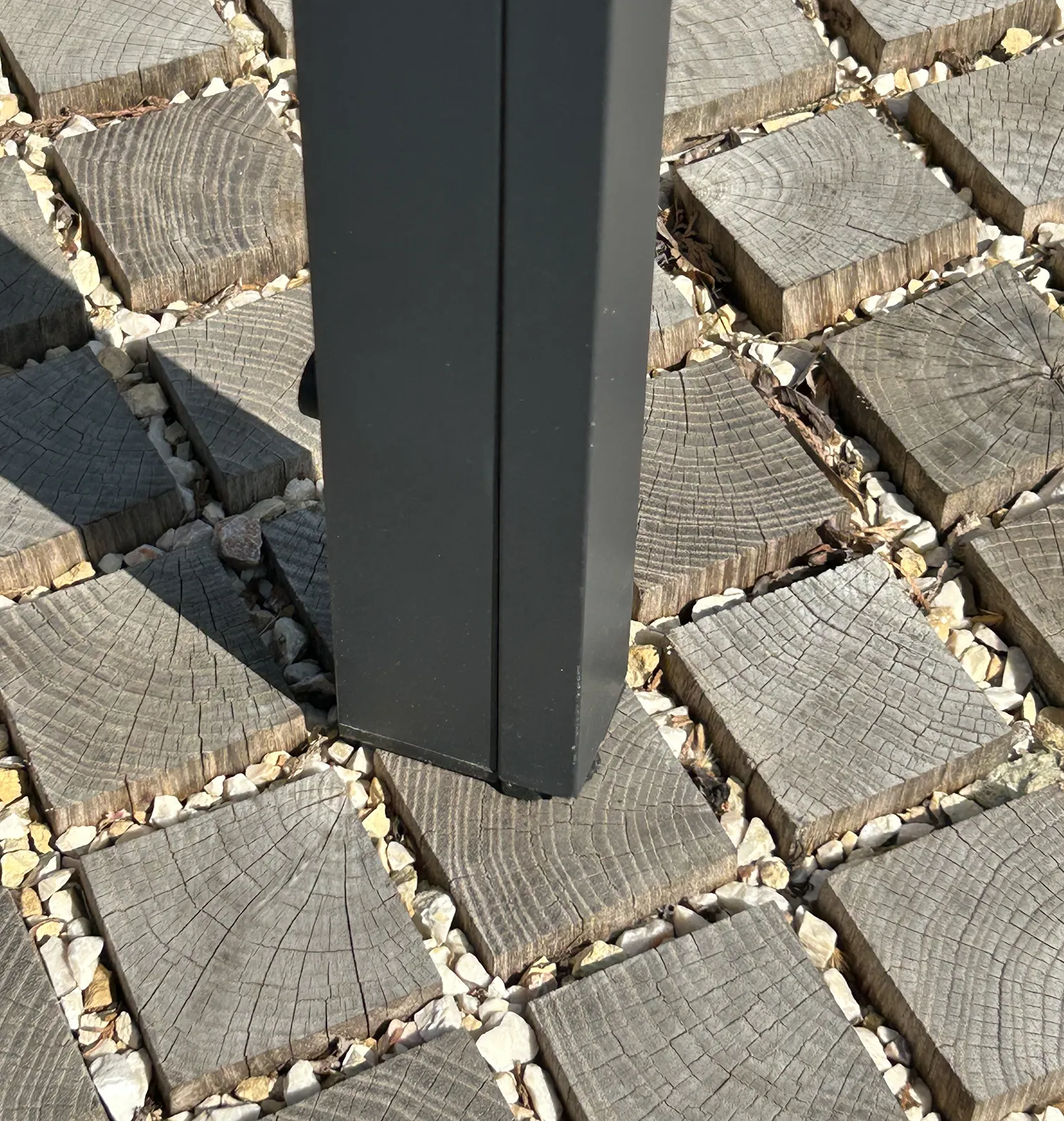
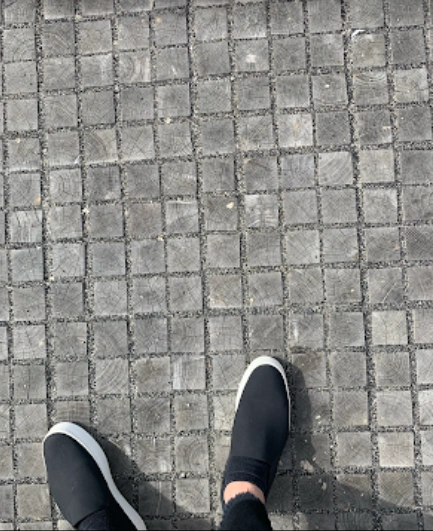
Perhaps the most admired stage in the aging process of Black Locust wood pavers is the development of a silver-gray patina. Over several years, exposure to sun, rain, wind, and seasonal temperature changes gradually transforms the surface color into elegant shades of silver, gray, and soft earth tones.
This patina is highly sought after in contemporary architecture and landscape design. Luxury coastal developments, urban plazas, public parks, and high-end residential projects often embrace naturally weathered wood because it conveys authenticity and permanence.
Maintenance and Long-Term Appearance
One of the most appealing aspects of Black Locust wood pavers is their ability to age naturally with little to no maintenance. Unlike many exterior wood products that require regular staining, sealing, or chemical treatments to maintain their performance, Black Locust is naturally durable and resistant to decay.
The result is a paving surface that remains durable, attractive, and environmentally responsible without the need for routine chemical applications or intensive upkeep. Black Locust wood pavers are designed to be enjoyed in their natural state, aging gracefully while retaining the strength and performance that make them one of the most durable hardwood paving materials available.